






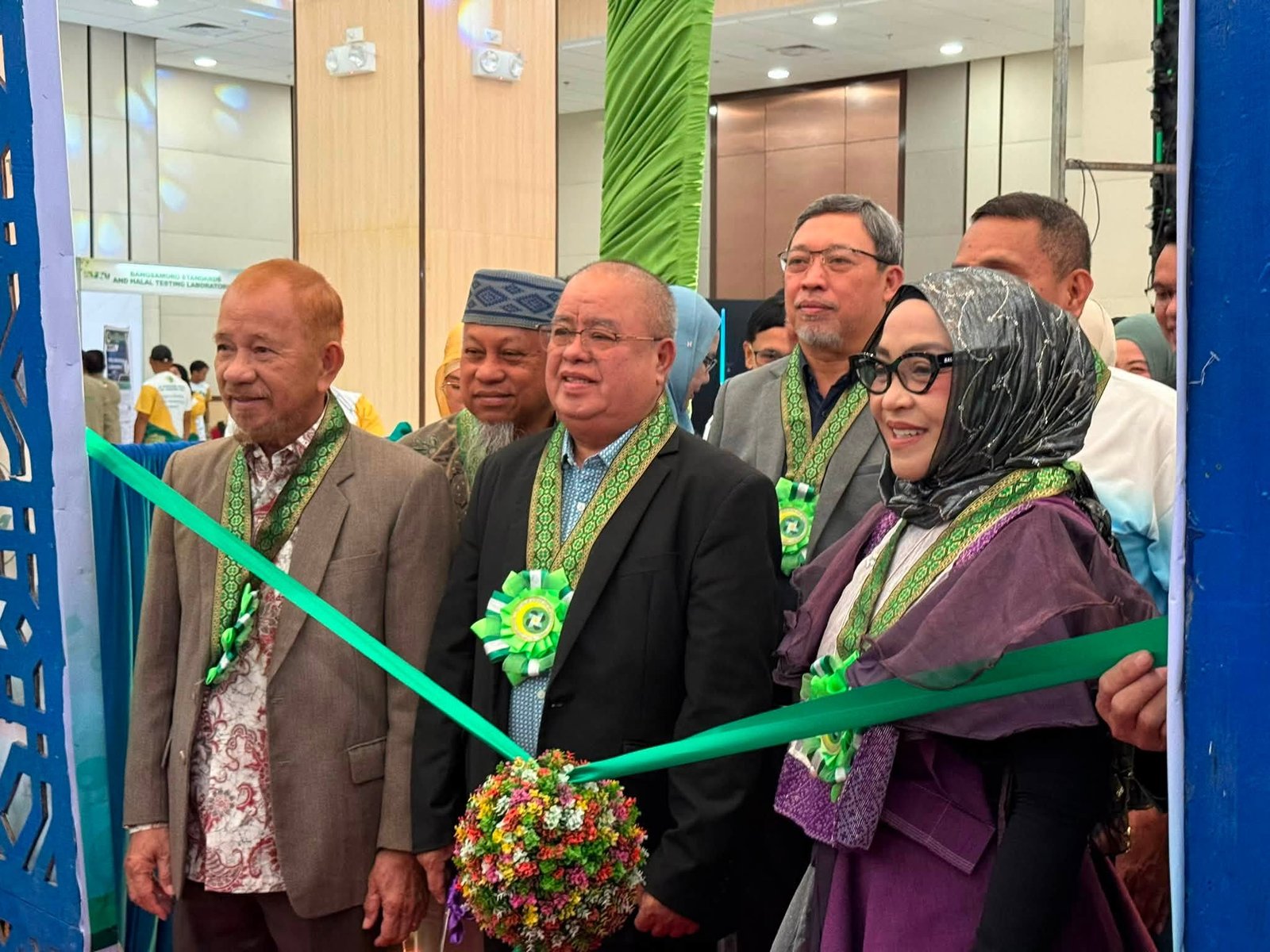
𝗖𝗢𝗧𝗔𝗕𝗔𝗧𝗢 𝗖𝗜𝗧𝗬 – The Department of Science and Technology (DOST) and the Ministry of Science and Technology (MOST) of the Bangsamoro Autonomous Region in Muslim Mindanao (BARMM) are strengthening their cooperation to expand the use of science, technology, and innovation (STI) in addressing the region’s development priorities.
The partnership was highlighted during the 2026 Bangsamoro Science and Technology Week, held on August 25–27 in Cotabato City, with the theme “Agham na Ramdam Para sa Mas Matatag na Bangsamoro.”
Representing DOST Undersecretary for Regional Operations Engr. Sancho A. Mabborang
during the celebration was Engr. Sammy P. Malawan, Regional Director of DOST-SOCCSKSARGEN, which serves as the lead DOST Regional Office for the implementation of the Science for Peace Program in partnership with the Office of the Presidential Adviser on Peace, Reconciliation and Unity (OPAPRU).
The role of DOST-SOCCSKSARGEN is particularly significant in bringing science and technology interventions to conflict-affected communities in the Bangsamoro. Through its partnership with OPAPRU, the Regional Office is implementing interventions under the Community Empowerment thru Science & Technology (CEST) program in six former camps of the Moro Islamic Liberation Front (MILF).
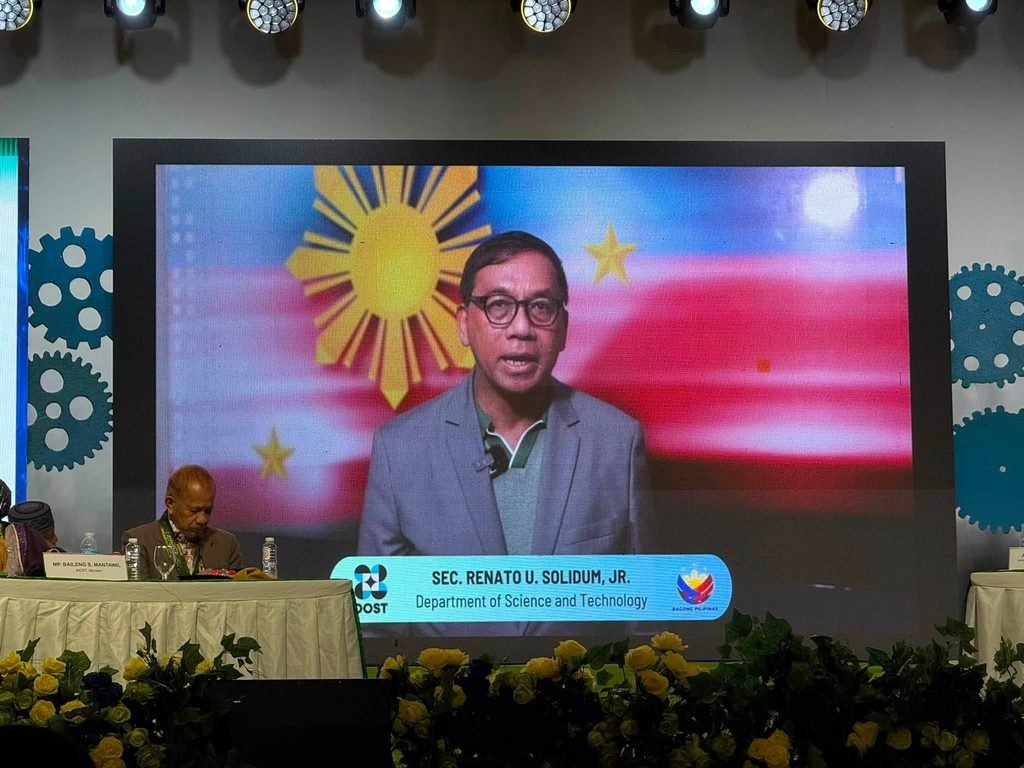
DOST Secretary Renato U. Solidum Jr. noted that the initiative is intended to provide peaceful, self-reliant, and sustainable livelihood opportunities for former combatants, their families, and communities.
Under the initiative, DOST-SOCCSKSARGEN has deployed 12 major technologies and 27 sub-technologies based on the needs of beneficiary communities. These include six solar-powered Level II water systems serving more than 300 households, SAFEWATRS water treatment technologies, and livelihood technologies covering food processing, agriculture, aquaculture, livestock, fiber processing, and other community enterprises.
The interventions are complemented by capability-building activities. In July 2025, around 100 former MILF combatants received practical training in food processing, smart aquaculture, and sustainable agriculture, including food safety, vegetable farming, livestock production, baking, and aquaculture technologies.
𝗙𝗼𝗿𝗲𝘀𝗶𝗴𝗵𝘁 𝗮𝘀 𝗮 𝗳𝗼𝘂𝗻𝗱𝗮𝘁𝗶𝗼𝗻
While addressing immediate community needs, DOST’s engagement with the Bangsamoro is also guided by the DOST System’s foresight approach – a framework for examining emerging trends, anticipating future challenges and opportunities, and identifying the capabilities needed to prepare for them.
This long-term perspective complements the broader direction of PAGTANAW 2050, the DOST System’s national STI foresight initiative, by providing a basis for aligning present investments in science and technology with longer-term development goals.
In the Bangsamoro context, the approach means looking beyond individual technology deployments toward stronger institutions, technical capabilities, human resources, and systems that can sustain STI-led development.
This is reflected in DOST’s continuing support to MOST-BARMM in areas such as technology transfer, laboratory development and management, Halal, metrology, and testing capabilities. These interventions are intended to strengthen institutional capacity while supporting product quality, certification, enterprise development, and market competitiveness.
Undersecretary Mabborang emphasized that DOST will continue supporting MOST-BARMM through capacity-building, benchmarking, and technical guidance to help build a stronger S&T ecosystem responsive to the needs and aspirations of the Bangsamoro.
𝗦𝘁𝗿𝗲𝗻𝗴𝘁𝗵𝗲𝗻𝗶𝗻𝗴 𝘁𝗵𝗲 𝗽𝗮𝗿𝘁𝗻𝗲𝗿𝘀𝗵𝗶𝗽
The Bangsamoro Science and Technology Week provides a platform for DOST, MOST-BARMM, local government units, academe, industry, communities, and development partners to exchange technologies, identify areas for collaboration, and strengthen the region’s STI ecosystem.
For DOST-SOCCSKSARGEN, its continuing role in the Science for Peace Program places the Regional Office at the forefront of translating the Department’s STI mandate into interventions that support communities undergoing transition and development.
The DOST-MOST partnership will continue to focus on bringing relevant technologies and expertise closer to Bangsamoro communities while strengthening the institutions and capabilities needed to sustain these efforts.
Anchored on foresight and carried forward through partnerships such as those with MOST-BARMM and OPAPRU, DOST’s engagement seeks to ensure that science and technology remain responsive not only to the challenges faced by the Bangsamoro today, but also to the region’s evolving needs and opportunities in the years ahead. (DOST XII)